
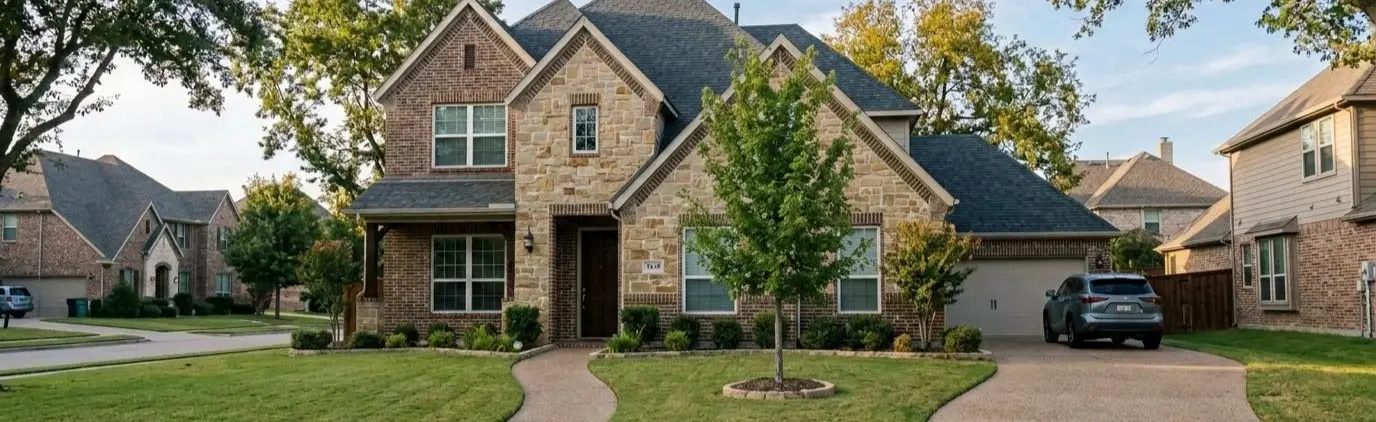
Move Out Guidelines
Move Out Guidelines
When it's time to move on, please follow the guidelines below to ensure a smooth transition.
It has been a pleasure providing you a home and having you as a resident. DeGuire Properties' goal is to return your full security deposit. To help make that happen, we've outlined everything you need to know below. Please review the following items covered by your lease.
Texas law requires you to provide written notice of your forwarding address, and all rent must be paid in full, before you can receive a security deposit accounting.
The Texas Property Code strictly prohibits using your security deposit in lieu of paying your last month's rent. Strong penalties can apply if you do this.
Final Departure / Surrender
- Notify DeGuire Properties of the exact date you will surrender the property.
- Upon surrender, place the following items in a zip-lock bag in a kitchen drawer:
- Garage door openers
- Swimming pool cards (if applicable)
- Mailbox keys (if applicable)
- Fireplace gas key
- Leave all keyless deadbolts disengaged.
- Set heat low (65°) or A/C high (80°).
- Turn off all lights.
- Lock the house and return all keys to the DeGuire Properties office.
- Contact DeGuire Properties immediately once you've vacated so the move-out inspection can be scheduled.
For details on the refund process and possible deductions, please review the security deposit section of the Residential Lease Agreement you signed at move-in.
Cleaning Specifications
- Remove all trash and personal items from the home and yard.
- Clean all appliances thoroughly, including the microwave, range hood, inside of the refrigerator, and inside of the oven.
- Clean sinks, cabinets, and drawers.
- Have carpeting professionally cleaned and submit the receipt with your keys.
- Wash non-carpeted floors and remove stains/marks.
- Wipe down walls, especially around light switches, hallways, doors, and baseboards.
- Clean all windows, secure all screens, and remove cobwebs inside and out.
- Repair any damaged screens or screen doors.
- Clean and disinfect all bathrooms thoroughly.
- Repair (or have repaired) any damage caused by you or your pets.
- Schedule all utilities to be disconnected on the last day of your lease.
- If you're responsible for lawn care: mow, trim, and remove yard debris.
- Arrange for trash pickup before discontinuing service.
- Do not place trash in recycling cans — a fine will apply.
Tip: It's always less expensive to handle your own repairs and cleaning before move-out.
General Cleaning Checklist
- Walls
- Clean vents
- Vacuum cobwebs
- Dust above doors
- Lightly clean dirt off walls
- Wipe baseboards
- Floors
- Clean vents
- Vacuum all carpets
- Sweep non-carpeted areas
- Mop/scrub vinyl
- Clean under refrigerator
- Doors
- Clean all knobs
- Dust
- Clean inside door jamb
- Bathroom(s)
- Sink/tub/shower
- Toilet
- Walls/windows
- Floors
- Windows
- Sills
- Blinds
- Windows
- Vacuum tracks
- Kitchen
- Refrigerator
- Oven — inside and out
- Stove top and drip pans
- Stove hood
- Cabinets — in and out
- Countertops/sink
- Outside
- Grass mowed
- Leaves raked and bagged
- Garden/beds weeded
- Concrete degreased
- Lights working
- Trash hauled off (leave no debris)
- Miscellaneous
- Clean all light fixtures
- Clean fireplace ashes/debris and screen (if applicable)
- Sweep porches
- Sweep garage
- Clean sliding glass door
- Sweep laundry area
- Check smoke detectors and batteries
What Is Ordinary Wear and Tear?
Ordinary wear and tear is the natural, gradual deterioration of a property that results from normal use — without negligence, carelessness, accident, or abuse by the resident, their household, or their guests.
For example, carpet naturally becomes worn and paint naturally fades or cracks over time. Even the most careful resident can't stop this aging process, so residents aren't held responsible for damage that results simply from normal living and the natural aging of materials.
What Is Not Ordinary Wear and Tear?
Residents can be charged for damage if they accelerated the aging process or used the property in a way that wasn't normal. For example, everyday carpet wear from walking on it is expected — but a hole cut into the carpet or spilled paint is not.
There are three categories of resident-caused damage that go beyond ordinary wear and tear:
- Negligence — Careless actions (or failing to take reasonable precautions) that a resident should have known would cause damage.
- Failure to Warn — Not reporting a problem (like a leak or crack) that later causes greater damage. For example, if a foundation issue cracks a window, that's not the resident's fault — but failing to report water coming in through that crack, resulting in water-damaged carpet, could make the resident responsible for the additional damage.
- Abuse/Misuse — Deliberately mistreating the property or using it for something other than its intended purpose, such as dragging furniture across unprotected flooring, using a bathtub to dye fabric, or painting walls without approval.
Accidents also fall outside ordinary wear and tear. Even unintentional damage, like a spilled drink staining carpet, a dropped planter cracking tile, or a faucet left running that floods a room, can be deducted from the security deposit, even though it wasn't done on purpose.
Other Factors Considered
- Extent of damage — A few nail holes may be normal; dozens may be considered abuse.
- Length of residence — Expected wear increases the longer someone has lived in the home. Significant damage after only a few months is treated differently than after several years.
- Age and construction of the building — Older buildings naturally deteriorate faster than newer ones, which is factored into what's considered "normal."
Wear & Tear vs. Damage
| Ordinary Wear & Tear | Damage |
|---|---|
| Peeling or cracked paint | Drawings or murals on walls |
| Worn enamel in an old bathtub | Chipped/broken bathtub enamel |
| Worn linoleum where appliances sat | Broken window from being slammed shut |
| Cracked window pane from foundation settling | Carpet holes from cigarette burns or mildew/rust stains from plant containers |
| Carpet worn thin from foot traffic | Large chunk of plaster ripped from wall |
| Door sticking due to humidity | Painted-over kitchen or bathroom tile |
| Small chip in wall plaster | Missing fixtures; hole where fixture was removed |
| Faded tile or lampshade | Toilet backed up from flushing cardboard |
| Fire damage from faulty wiring | Floors gouged from moving furniture |
| Slow sink drainage from old pipes | Wallpaper torn off the wall |
| Floors needing a new coat of varnish | Closet doors off track from a bent track |
| Wallpaper corner loosening from aged glue | Burned kitchen walls from a stove burner left too high |
| Sliding closet doors sticking | Missing shower rod |
| Faded kitchen wall paint | Missing or cracked tiles |
| Slightly rusted shower rod | Torn window shade |
| Dirty or faded window | Loose bathroom tile grouting |
Please do everything necessary to return the property in good, clean condition. We hope you enjoyed your stay, and we wish you all the best in the future.